
The issues of carbon leakage and competitiveness have always been a major preoccupation for policymakers and stakeholders involved in the debate on decarbonisation and meeting the international commitments on climate change.
The EU institutions have adopted the ambitious target of reaching climate neutrality by 2050. This has led to increased interest, and urgency, in examining options to address the risk of carbon leakage and one of the tools that could address this risk is the EU Carbon Border Adjustment Mechanism (CBAM).
The EU CBAM is a mechanism that seeks to address the risk of carbon leakage by imposing a carbon price on imports of certain carbon-intensive goods from outside the EU, such as iron and steel, cement, fertilisers, aluminium and electricity.
Since 2019, ERCST has built up solid experience on BCAs, carbon leakage issues, and other competitiveness topics in the EU context. ERCST provides analytical input and fosters an informed debate with domestic and international stakeholders as the CBAM file progresses through the legislative process.
Specifically, ERCST has organised meetings with stakeholders and experts, international town hall meetings with EU’s main trading partners, provided analysis of input to the EU’s stakeholder consultation process and published several reports on this topic.
The two main research arms of this workstream are:
- Carbon Border Adjustments in the EU – Phase I, II, III, IV, V, VI and VII
- The Economic Impacts of an EU Carbon Border Adjustment Mechanism
The Carbon Border Adjustments in the EU project is supported in 2026 by ACEA, BDI, Cement Europe, Eurofer, FertilizersEurope, Fuels Europe, Glencore and the Government of France.
Part I of ERCST’s project on Border Carbon Adjustments in the EU was launched in 2019 and aimed at providing analytical input to the discussion on BCAs and fostering an informed debate with domestic and international stakeholders as the CBAM file progressed through the early stages of the legislative process. The concluding report of the project, entitled “Border Carbon Adjustments in the EU: Issues and Options” was published in 2020.
Publications:
In 2021, as Part II of the project, ERCST continued providing: analysis and solutions for addressing carbon leakage and competitiveness issues; independent evaluation of EUs work on the CBAM file; accompany the EUs official stakeholder consultation process by providing a forum for multi-stakeholder engagement.
Building on the successful track record and favourable reception of Phase I (2019-2020) and Phase II (2020-2021) of the project, ERCST is extending its groundbreaking analysis and outreach work on the evolving EU CBAM into a third Phase. With the support from a consortium of funders from the public and the private sector, ERCST will continue to accompany the policy discussion in Brussels and beyond, providing decision-makers and stakeholders with a better understanding of critical issues and options as this file advances through the legislative process.
Publications:
2023 will be an important year for the CBAM. With a formal proposal issued by the European Commission in 2021 and principal design parameters agreed during the informal tripartite meetings – the trilogue process – with the European Parliament and Council in 2022, the CBAM is expected to advance to the implementation phase in 2023. As it did during the preceding phases, ERCST will carefully monitor and facilitate an informed discussion on each step towards full operationalization of the CBAM.
Building on the experience and visibility ERCST has acquired through its work on CBAM to date, the objective of Phase IV of the project “Border Carbon Adjustments in the EU” will be to provide continued analytical input, convening, and outreach on the CBAM.
2024 will be an important year for the CBAM. The CBAM’s transitional period is now underway, however several issues remain unresolved ahead of the definitive period and numerous delegated and implementing legislations, along with reviews are due before the end of the transitional period. As it did during the preceding phases, ERCST will carefully monitor and facilitate an informed discussion on each step towards full operationalisation of the CBAM.
In the Phase V of the “Border Carbon Adjustments in the EU” project, ERCST will focus on two crucial European Commission reviews in 2024: examining carbon leakage risks for EU-produced goods subject to CBAM and exported under ETS review, and evaluating additional product inclusion in the value chain to anticipate downstream cost impacts and mitigate substitution risks. Additionally, ERCST will monitor CBAM revenue usage, particularly regarding EU funds for developing country compliance and decarbonization, aligning with Multiannual Financial Framework discussions. Leveraging its policy network, ERCST will provide impartial analysis and expert consultations on these matters.
Building on the successful track record and positive reception of Phases I–V (2019–2024) of its project “Border Carbon Adjustments in the EU”, the European Roundtable on Climate Change and Sustainable Transition (ERCST) proposes to extend its analysis and outreach work on the EU Carbon Border Adjustment Mechanism (CBAM) into a sixth phase. With support from a consortium of public and private funders, ERCST will continue to contribute to the policy discussion in Brussels and beyond, helping decision-makers and stakeholders better understand key issues and options as CBAM progresses from legislation into implementation.
Phase VI will focus in particular on export-related leakage risks for EU-produced goods, practical implementation challenges, and the potential extension of CBAM to additional sectors or products. It will also address the ongoing operationalization of CBAM, including emissions reporting during the transitional period, compliance trends, and institutional and regulatory preparation for the definitive period.
ERCST aims to continue accompanying the policy discussion in Brussels and beyond, providing decision makers and stakeholders with a better understanding of critical issues and options as this file enters its definitive phase. In particular, it will focus on providing timely analysis and recommendations on the Q4 2025 legislative proposal, the recognition of effectively paid carbon pricing in third countries and the use of international credits, the rules for MRV and accreditation of third-country verification systems, and the broader domestic and international developments shaping the CBAM’s implementation and impact.
The objective of this work is to carry out an exercise to estimate the economic costs that an EU CBAM could potentially impose on foreign exporters of selected carbon intensive products (e.g. cement, aluminium, steel) to the EU market.
In 2020, ERCST undertook work to quantify the additional tax burden that an EU CBAM could impose on exporters of steel, aluminium, cement and electricity in the Russian Federation and South Africa. Building on this work, ERCST carried in 2021 a similar exercise for an additional set of countries, including but not limited to South East Asian countries.
Publications:
- The aluminium value chain and implication for CBAM design
- Preliminary study on the economic impact that EU CBAM could potentially impose on foreign exporters of products to EU market – Thailand, India and Vietnam
Other projects:
Project Purpose
The purpose of the Climate-Trade Nexus Assessment (CTNA) is to explore how trade-based climate measures that aim to address international GHG leakage resulting from domestic climate policy measures in key industries might be designed to account for the legitimate differences that characterize climate policy across various developing country trading partners.
Understanding the role of GHGs embodied in traded goods and the intersection of climate and trade policy is imperative to support the transition to a low carbon economy to meet the goal of net zero greenhouse gas (GHG) emissions by 2050. Carbon border adjustments (CBA) on imported goods in the form of charges, fees or other compliance obligations, are one policy approach aiming to address the concern about carbon leakage that is of particular interest to countries that have implemented or are considering carbon pricing measures.
CTNA will survey climate policy in key emerging and developing economies and will explore and seek to propose ways in which their various approaches to climate policy might be fairly and meaningfully accommodated to support low carbon trade without undue negative impacts. It will further explore objective metrics for assessing and comparing relative levels and costs of domestic climate actions, and opportunities to expand the relevance and efficacy of existing arrangements for multilateral cooperation and engagement.
Project Description
Governments are increasingly contemplating measures such as carbon border adjustments (CBA), as taxes or fees, in part to increase their trading partners’ climate ambitions. Such policies largely reward trading partners that apply an explicit “carbon price” to GHGs from the goods they produce. While a growing number of exporters are implementing impactful climate measures, few major export countries with sizable or fast-growing export industries tax their domestic GHGs but do exhibit lagging sustainable development indicators.
Thus, this program will also apply these outputs to identify and engage in direct capacity-building consultations focused on the selected target countries with affected export industries. Through these activities, the Climate-Trade Nexus Assessment will position country decision-makers to reconcile emerging trade-related climate policies with their domestic objectives for trade, climate change mitigation, and sustainable development—and ultimately, to materially contribute to deepening cuts in GHGs across the global trading system.
Project Activities
The project focuese on five different countries for focused analysis and engagement, Brazil, India, Mexico, South Africa and Turkey. The project will conduct a broad survey of methodologies for comparing and assessing national-level and/or sector- or industry-level climate change ambition expressed in climate policies, including those related to carbon market and pricing policies. Relevant data and documents will be collected to understand the current context of climate policy landscape in each countries. A comparative analysis of policy approaches and options will be undertaken for each country, with inputs gathered from relevant stakeholders through in-country and public virtual workshops. The project will propose modalities to accommodate a variety of domestic climate policy designs in international trade-related climate measures based on the findings and experience with the focus countries. The outcomes and outputs of the project will be disseminated through public virtual workshops and a global milestone event.
Climate Trade Nexus Assessment Workshops:
Climate Trade Nexus (CTN) Assessment – Workshop Mexico – ERCST
Climate Trade Nexus (CTN) Assessment – Workshop Brazil – ERCST
Climate Trade Nexus (CTN) Assessment – Workshop South Africa – ERCST
Project Purpose
The purpose of the CBAM Impact on Ukraine assessment (CBAM-UA) is to estimate the potential economic and trade impacts of the European Union’s Carbon Border Adjustment Mechanism (CBAM) on Ukraine, with a focus on the iron and steel sector as the country’s most exposed CBAM-covered export category.
As the EU moves forward with trade-related climate instruments to reduce greenhouse gas (GHG) leakage and support decarbonisation objectives, CBAM is expected to create a new cost component for exporters of covered goods into the European market. For Ukraine—whose export profile to the EU includes key CBAM sectors such as iron and steel, aluminium, electricity, cement, and fertilizers—understanding the magnitude, timing, and distribution of these impacts is critical for informing policy responses and industrial transition strategies.
This assessment aims to provide a best-effort quantification of CBAM-related export exposure and tariff-equivalent effects under the phase-in period, while acknowledging the uncertainty inherent in benchmark assumptions, emissions intensity estimates, and forward-looking price projections.
Project Description
Ukraine’s exposure to CBAM is significant, with CBAM-covered exports to the EU averaging approximately €3.5 billion annually over recent years. Within this portfolio, iron and steel exports represent by far the largest share—approximately six times the value of all other CBAM-covered export categories combined—making the sector central to any forward-looking evaluation of CBAM’s economic consequences.
This assessment examines how CBAM levies, when interpreted as an “effective tariff” on Ukrainian exports, may affect export competitiveness and macroeconomic performance. Using current best-available assumptions for CBAM benchmarks, Ukraine-specific default emissions intensities, and forecasted EU allowance prices, the analysis converts expected CBAM charges into an ad valorem equivalent over the phase-in period. It then uses a trade simulation approach to estimate the resulting reductions in export volumes and their corresponding economic relevance, expressed as a share of GDP.
By translating the mechanics of CBAM into concrete trade and macroeconomic implications, CBAM-UA supports decision-makers in Ukraine and international stakeholders in assessing transition risks, identifying areas for targeted support and capacity building, and designing pathways to sustain low-carbon competitiveness in EU-bound trade flows.
Project Activities
The project conducts an exposure and impact analysis centred on Ukraine’s CBAM-covered exports to the EU, with a specific analytical emphasis on iron and steel. Export data is gathered using EU trade statistics aligned with product categories that match the scope of the CBAM regulation. Goods with low materiality in trade flows are filtered out using an operational threshold, allowing the analysis to focus on product categories with meaningful export relevance.
The assessment estimates CBAM levy levels over time by applying Ukraine-relevant emissions intensity defaults and provisional benchmark values, translating these outcomes into trade-weighted tariff-equivalent rates during the CBAM phase-in period. Forward-looking assumptions are applied for key parameters such as baseline export values and EUA price trajectories, ensuring that results reflect plausible market expectations while remaining transparent regarding methodological constraints.
To estimate trade effects, the analysis uses a partial equilibrium model to simulate how these tariff-equivalent levies could translate into reductions in export volumes and economic output. Results are presented for milestone years through 2030, reflecting the period over which benchmark and default inputs can be reasonably approximated, and noting the likely escalation of impacts as the free allocation adjustment continues to decline beyond 2030.
Authors: Dr. D. Flaig (Hans-Ruthenberg Institut) for MASCQ Ltd, in collaboration with Dr. A. Cosbey.
Project Purpose
The purpose of The impacts and incentives inherent in destination-based carbon pricing – India case study (DBCP) is to assess the economic impacts and incentive effects that destination-based carbon pricing measures may generate for a large developing economy exporter such as India, particularly when imposed by key high-income importing markets.
While the impacts of climate-related response measures have been widely studied, this project responds to a persistent analytical gap: understanding how affected developing economies may dynamically adapt to such measures, and how policy incentives may shift as destination-based carbon pricing becomes increasingly prevalent in global trade.
Using a computable general equilibrium (CGE) modelling framework, the analysis explores how border-based climate pricing policies could shape India’s production structure, trade competitiveness, and household welfare—while testing the hypothesis that, despite negative impacts, these measures may also strengthen incentives for decarbonisation in exporting countries.
Project Description
Governments in developed economies are increasingly considering trade-related climate measures that apply carbon costs at the border in order to protect domestic industry, reduce emissions leakage, and encourage stronger climate action among trading partners. For export-oriented developing economies like India—particularly those with emissions-intensive industrial production—such mechanisms can act as significant trade barriers with material implications for national production and welfare.
This study assesses the impact of a hypothetical destination-based border carbon adjustment (BCA) implemented in a group of major high-income markets—including the US, EU, UK, Canada, Australia/Oceania, and Japan—targeting emissions-intensive and trade-exposed (EITE) sectors. The analysis explicitly incorporates the role of embedded carbon in traded goods, the recognition of carbon prices already paid in exporting countries, and the differentiated outcomes depending on whether India and other emerging/developing countries take timely domestic decarbonisation actions.
By simulating a range of reference scenarios—varying the timing and ambition of climate mitigation efforts—the project provides evidence not only on expected trade and production losses, but also on the conditions under which early decarbonisation can reduce exposure and create strategic “first mover” advantages. In doing so, the study supports policymakers and stakeholders in evaluating both transition risks and policy options as border carbon pricing becomes a structural feature of international trade.
Project Activities
The project applies a global, recursive dynamic CGE model (GLOBE) calibrated using the GTAP-CE v11 database (2017 base year), aggregated across 24 regions and 43 sectors, including detailed representations of power generation and steel production. Emissions data are derived from GTAP satellite accounts, while base-year and projected carbon price pathways are informed by World Bank carbon pricing data and EU allowance price forecasts (with convergence assumptions extending beyond 2030).
The assessment constructs four reference scenarios grounded in the Shared Socioeconomic Pathways (SSPs), capturing different combinations of mitigation timing in India and other emerging/developing regions. A single policy scenario then introduces a destination-based carbon pricing measure (BCA) in key high-income economies, implemented as an import tax based on embedded emissions (including scope 1 and scope 2), with crediting for carbon prices already paid in exporting regions.
The project focuses on sectoral impacts across a defined set of BCA-covered industries—particularly iron and steel (primary, secondary, and casting)—as India’s high emissions intensity and export relevance create heightened vulnerability. Impacts are assessed across trade flows, domestic production, GDP outcomes, and household welfare, with results reported over a multi-year horizon through 2035. The findings are synthesized to highlight both the projected costs of border carbon pricing for India and the extent to which proactive domestic mitigation policies can reduce negative impacts over time and strengthen competitiveness in a decarbonising global economy.


RECENT PUBLICATIONS
EU CBAM in an International Context
Authors: Andrei Marcu, Michael Mehling, Aaron Cosbey, Marco Sangiovanni, Helen Bevernage Discover our latest publication: ERCST’s paper on EU CBAM in an International Context, which discusses how the mechanism interacts with third-country...
Carbon Leakage under CBAM and Free Allocation
Author(s): Andrei Marcu, Alexandra Maratou, Francesca Calvo A recent study conducted by the European Roundtable on Climate Change and Sustainable Transition (ERCST) and the Climate Economics Chair...
ERCST’s feedback to the European Commission’s Draft Implementing Act on CBAM Article 9
Author(s): Andrei Marcu, Michael Mehling, Aaron Cosbey, Marco Sangiovanni, Helen Beverage
Carbon Leakage under CBAM and Free Allocation
Author(s): Andrei Marcu, Alexandra Maratou, Tommaso Paperini, Cecilia Meinardi, Marco Sangiovanni
Response to EU CBAM Q4 2025 Legislative Proposal
Author(s): Andrei Marcu, Michael Mehling, Aaron Cosbey, Marco Sangiovanni, Helen Beverage
Future of Emissions Trading in the EU: EU ETS – CBAM Strawman
Author(s): Andrei Marcu, Alexandra Maratou, Cecilia Meinardi, Tommaso Paperini, Laure Fleury
The EU CBAM in practice: the danger of resource shuffling
Author(s): Andrei Marcu, Michael Mehling, Aaron Cosbey, Laure Fleury
Extension of the CBAM scope
Author(s): Andrei Marcu, Michael Mehling, Aaron Cosbey, Laure FleuryResearchers Pitch ‘export adjustments’ for EU industries covered by CBAM – Carbon Pulse
... ERCST suggested a compensation scheme for European exporters of goods covered by the EU's Carbon Border Adjustment Mechanism (CBAM) who will stop receiving free emission allowances under the bloc's...
Solutions for exports of EU CBAM-covered goods
Author(s): Andrei Marcu, Michael Mehling, Aaron Cosbey, Laure Fleury
Policy Brief: Commission’s Communication on “The Clean Industrial Deal: a joint roadmap for competitiveness and decarbonization”
Author(s): Andrei Marcu, Chiara Cavallera, Laure Fleury, Juan Fernando Lopez, Ana Ruiz, Marino Varricchio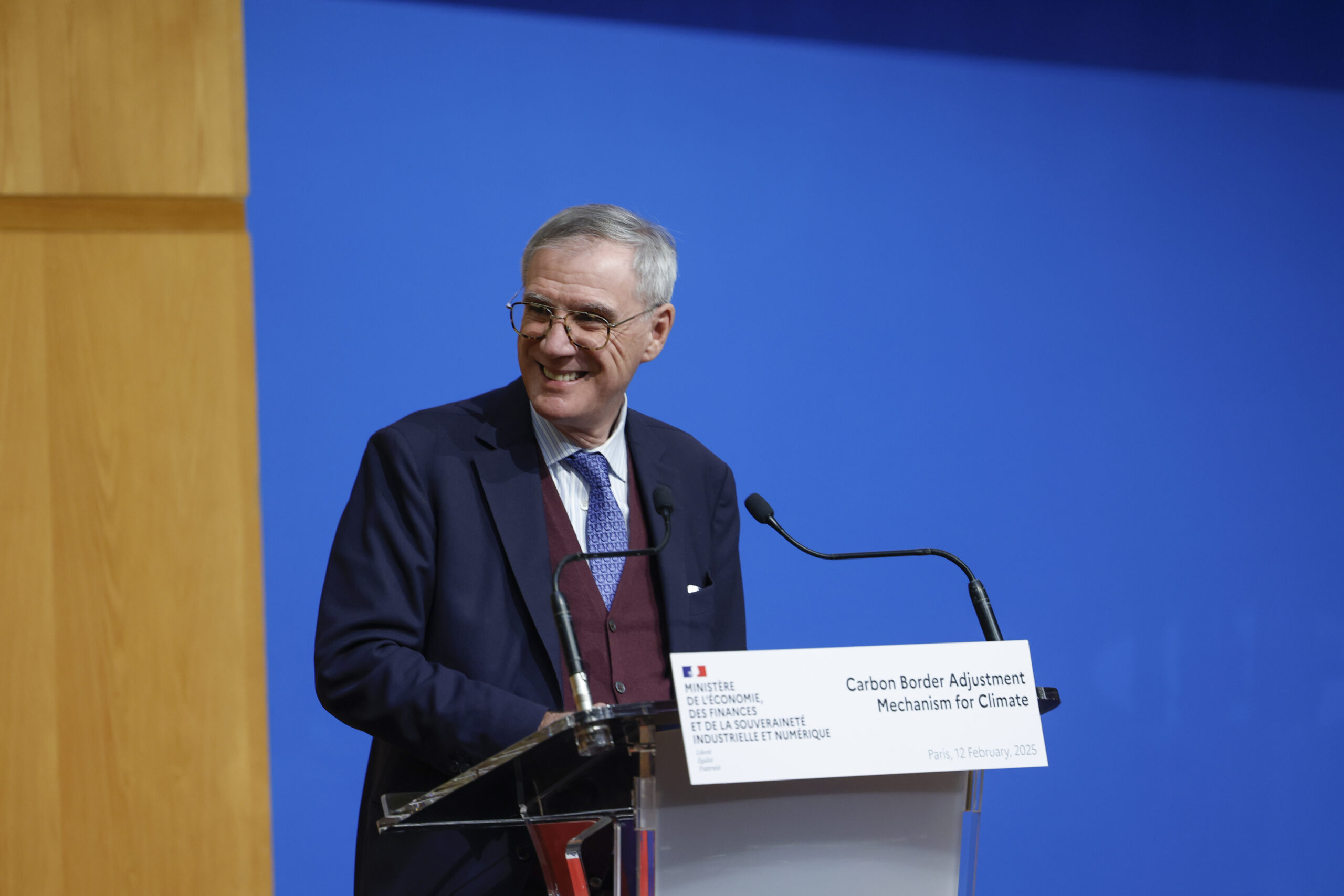
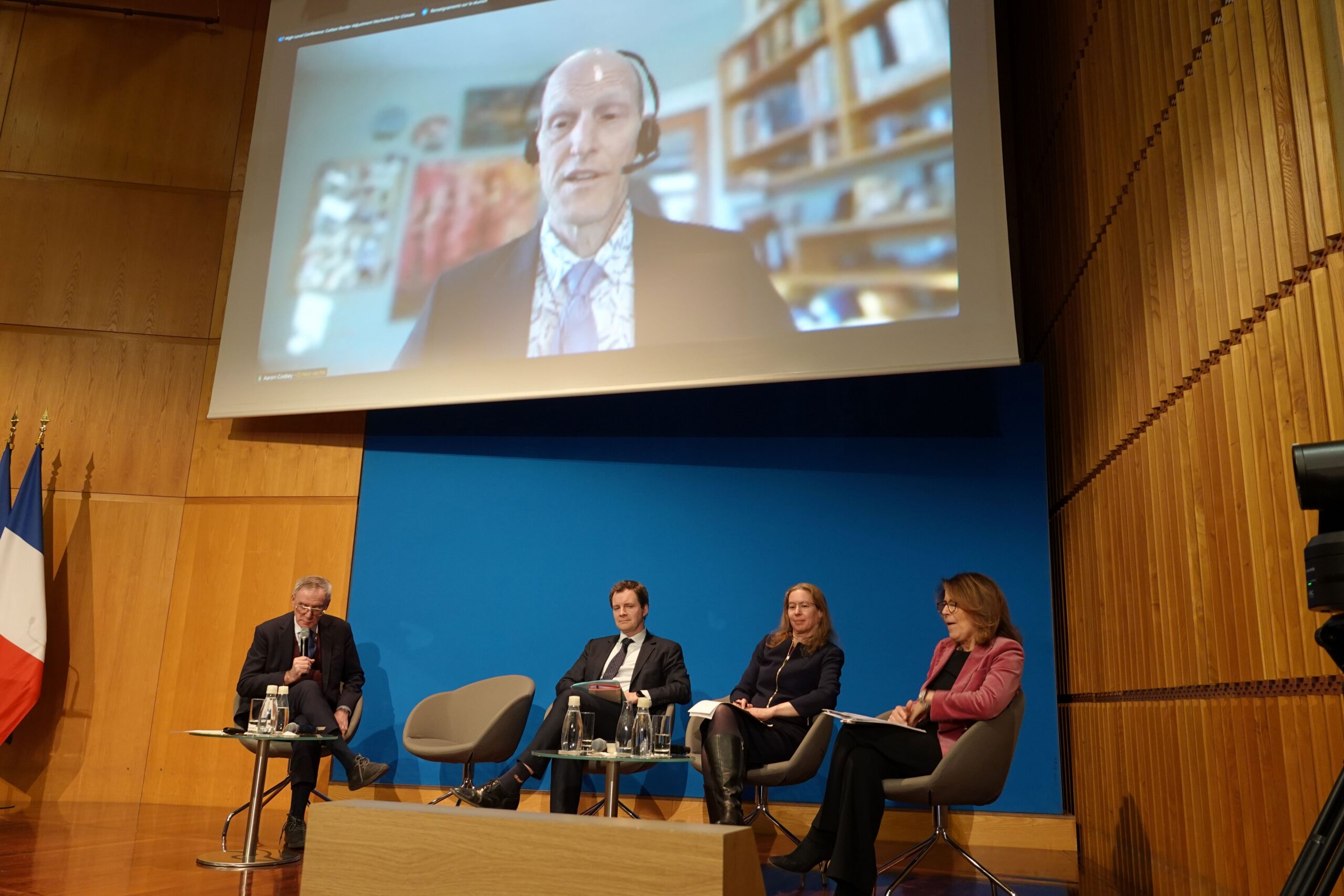
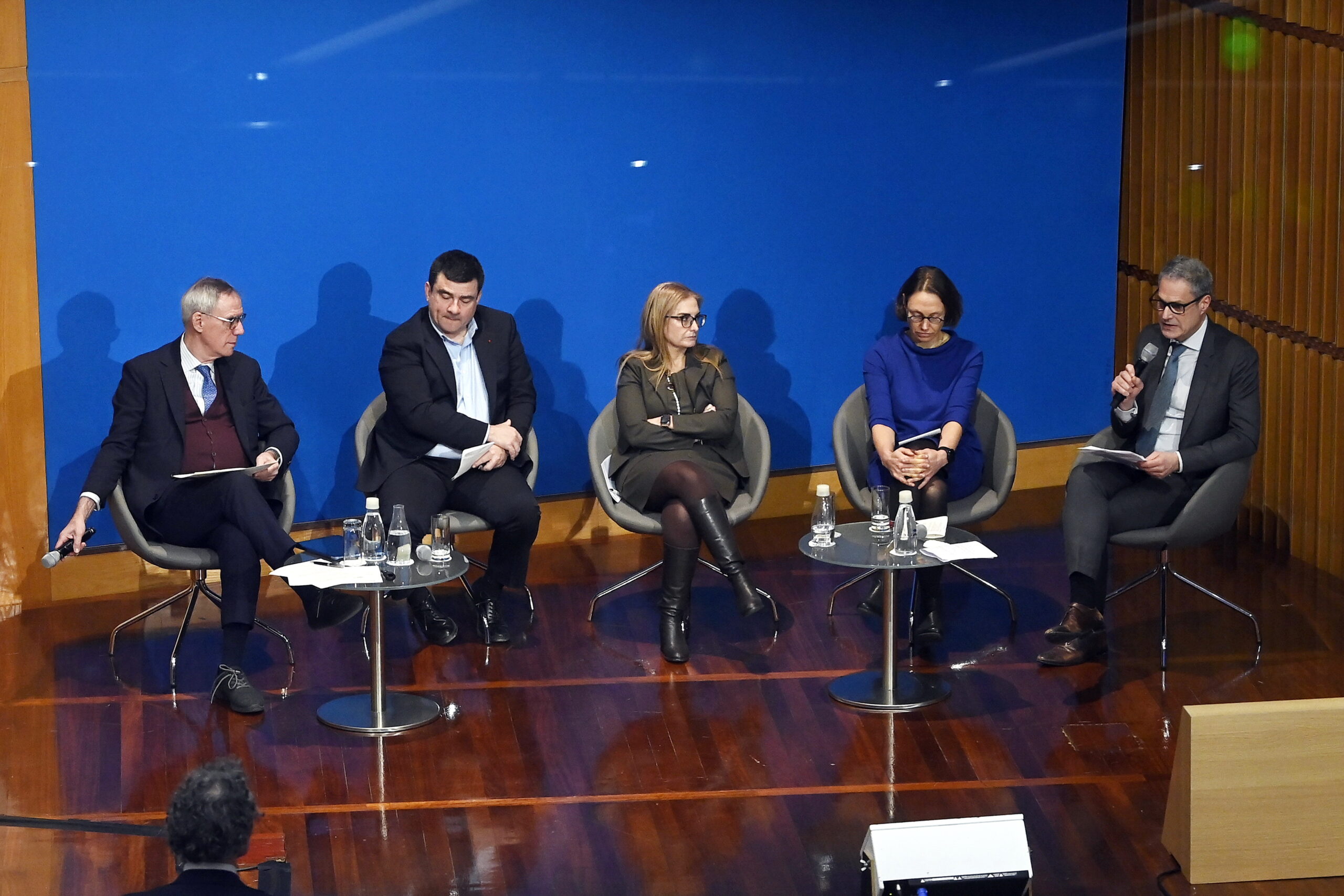
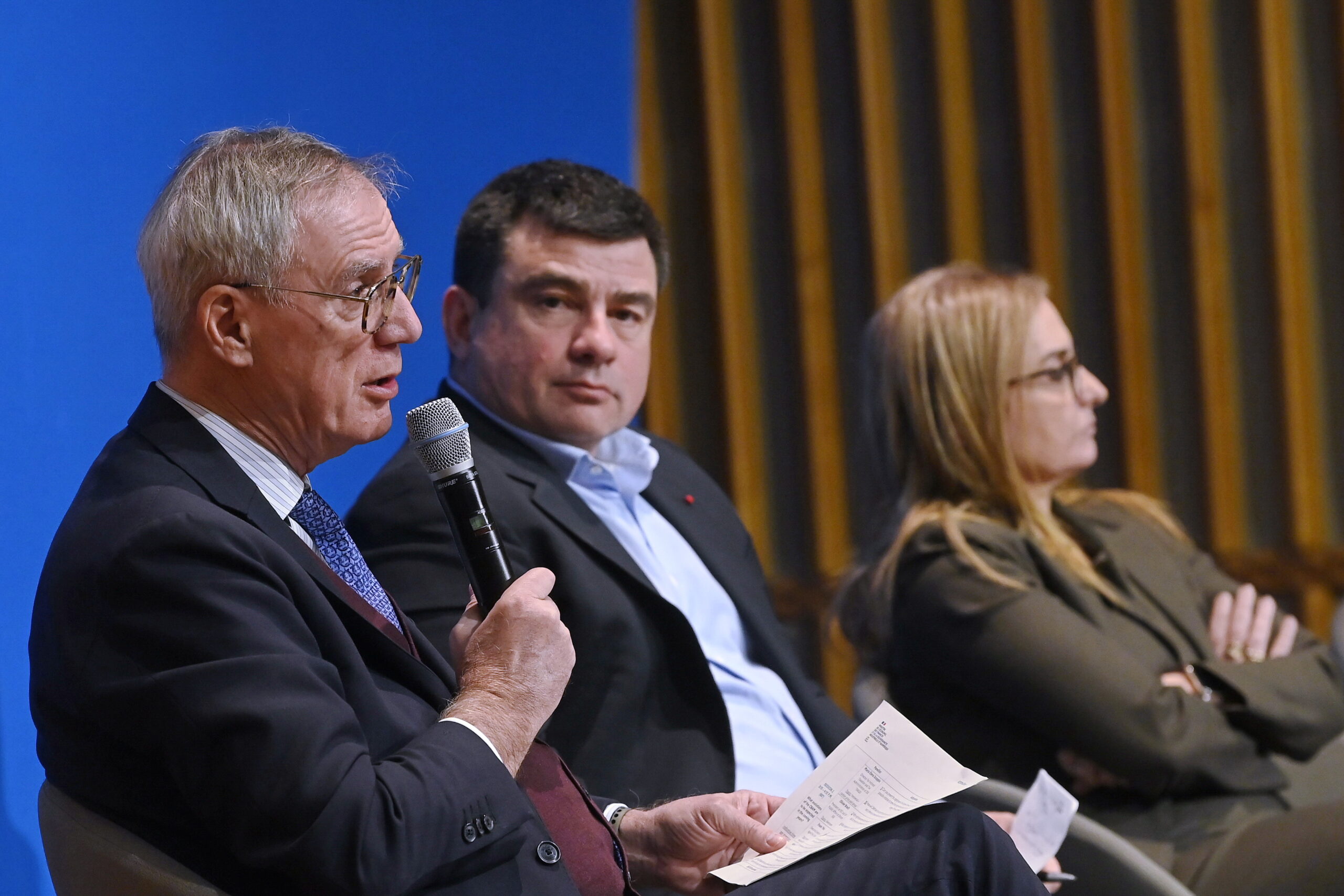
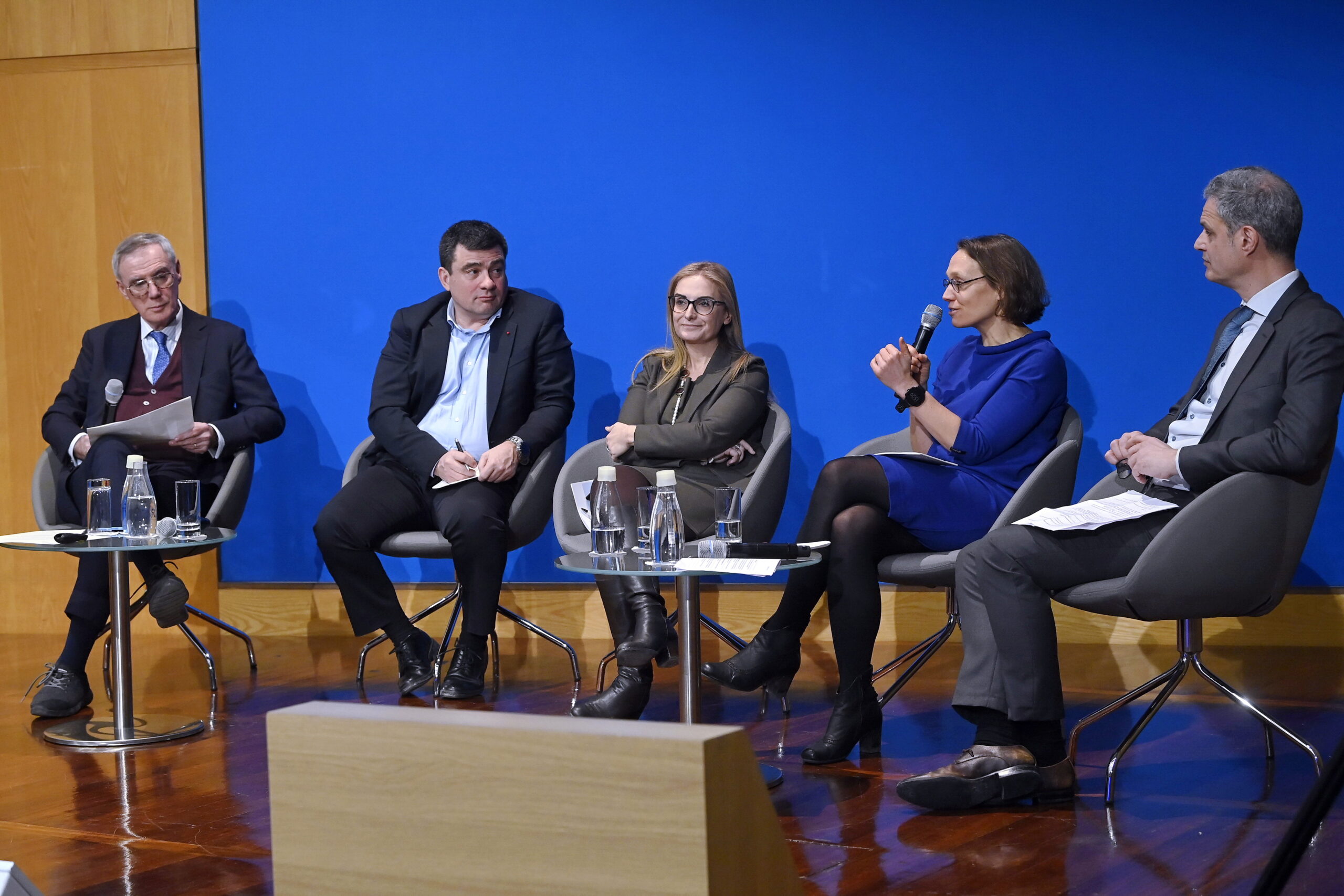
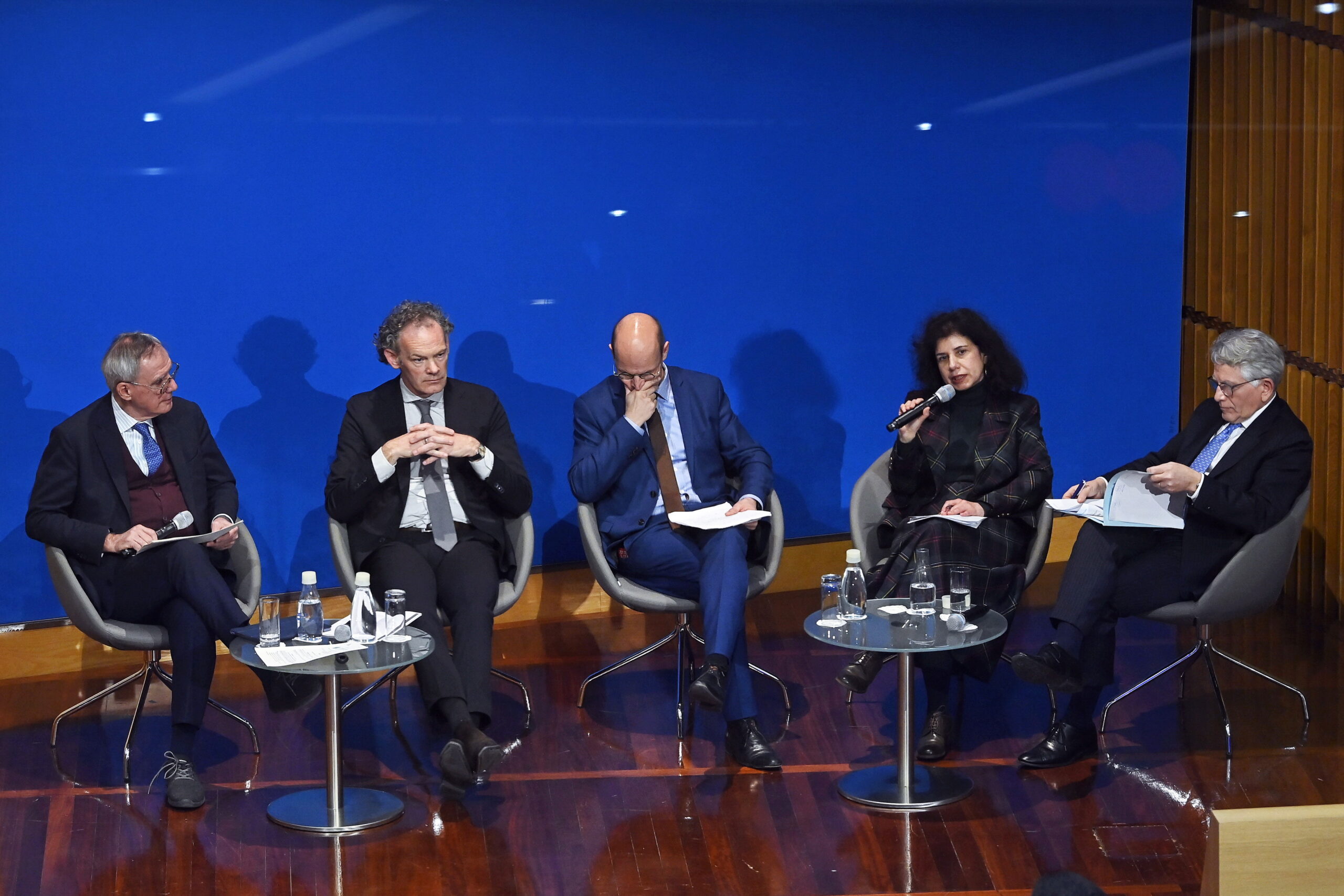
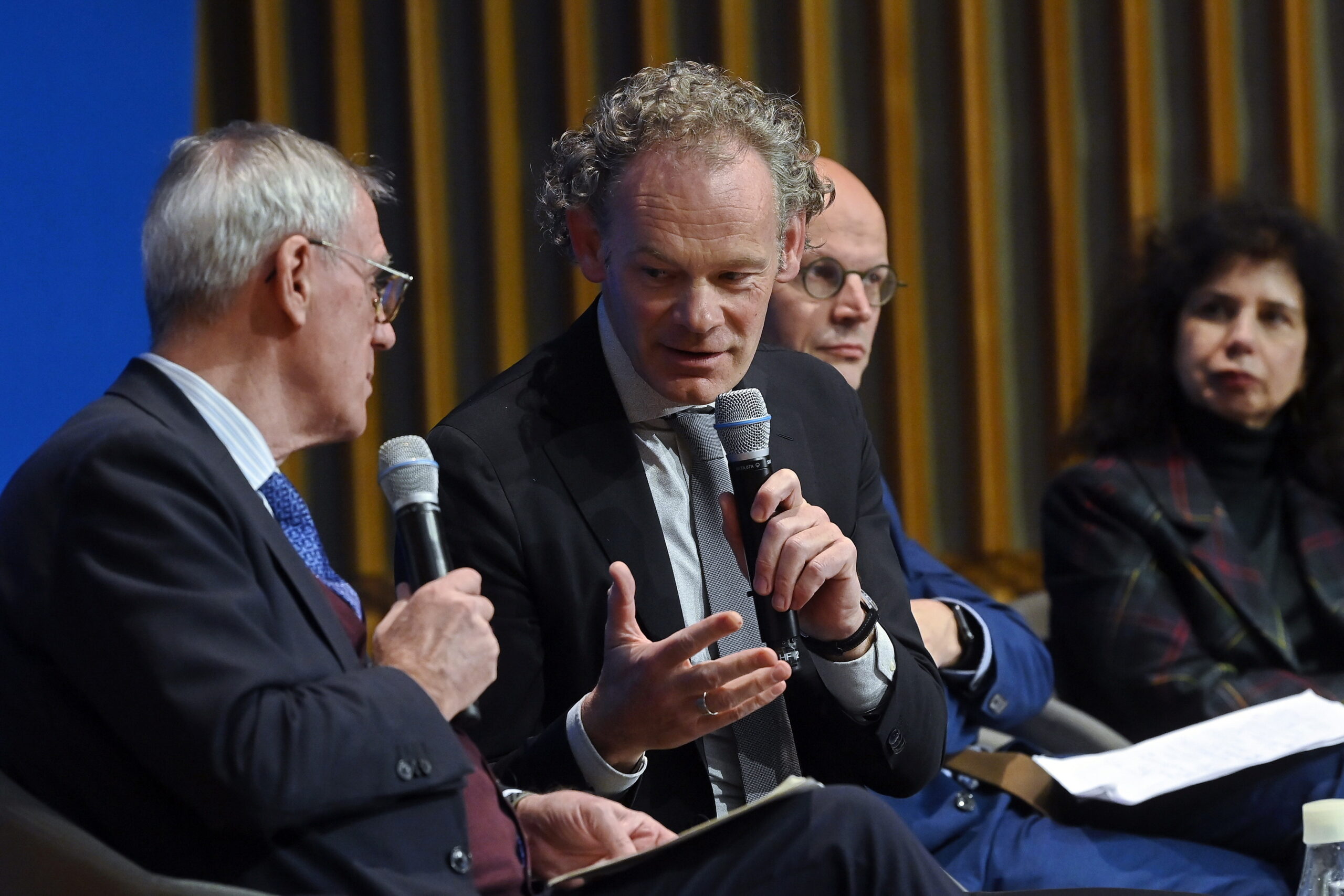
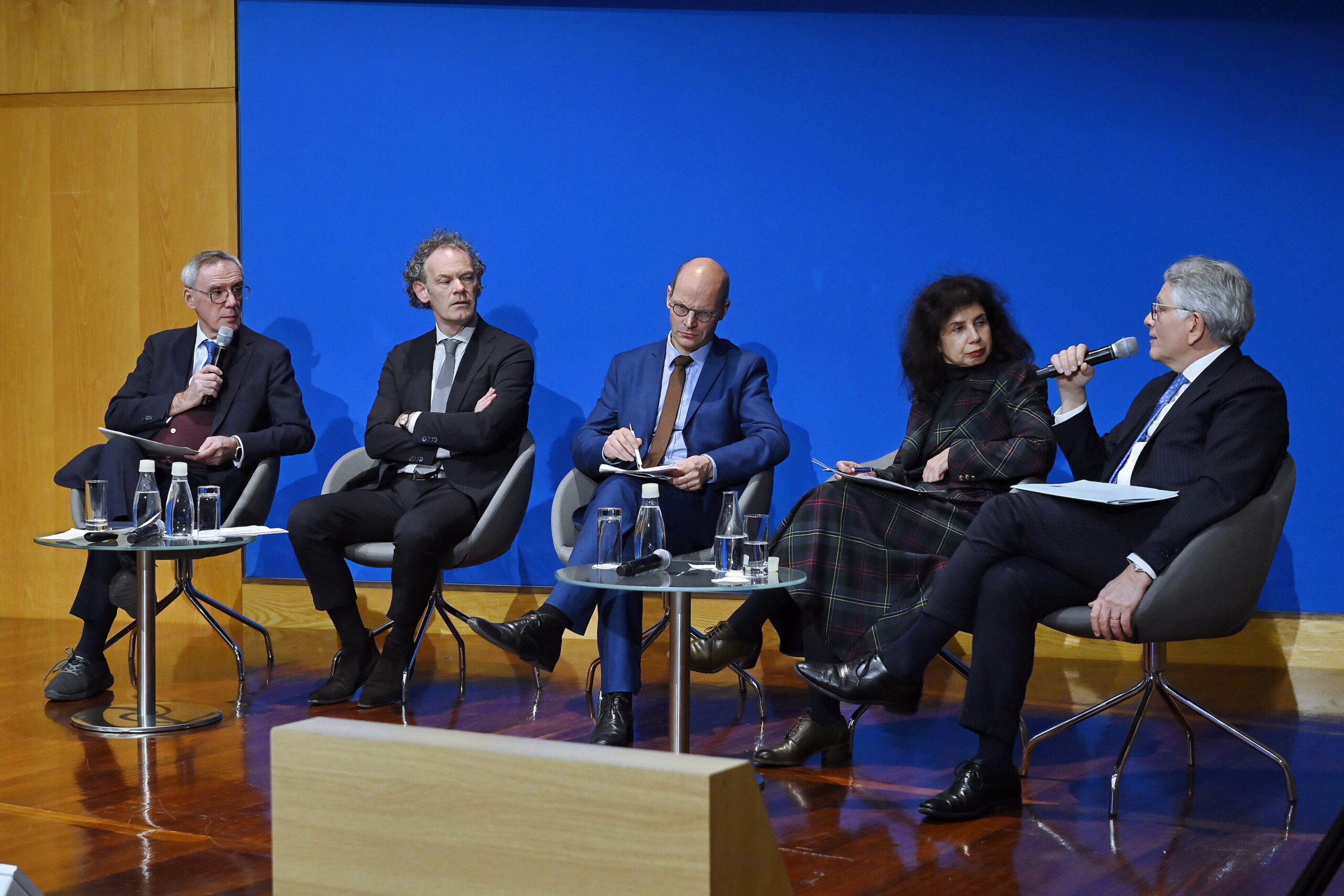
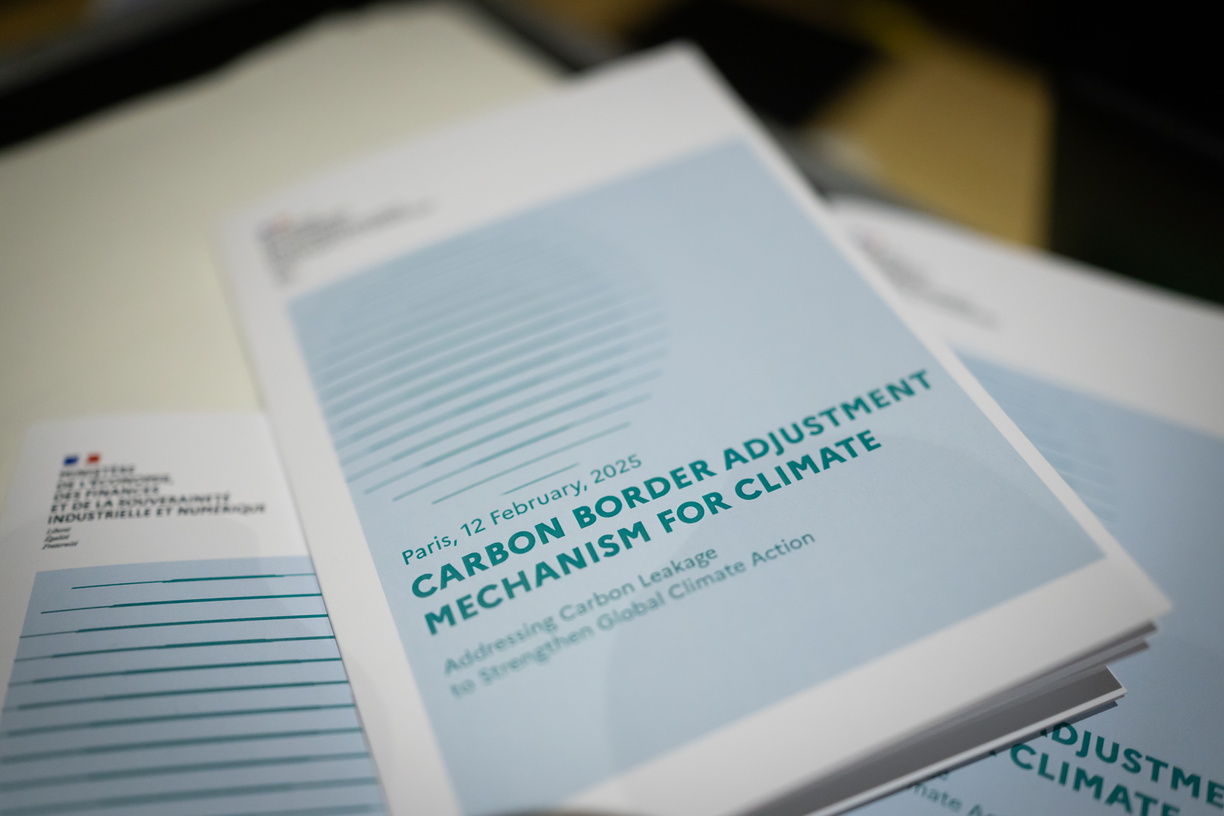
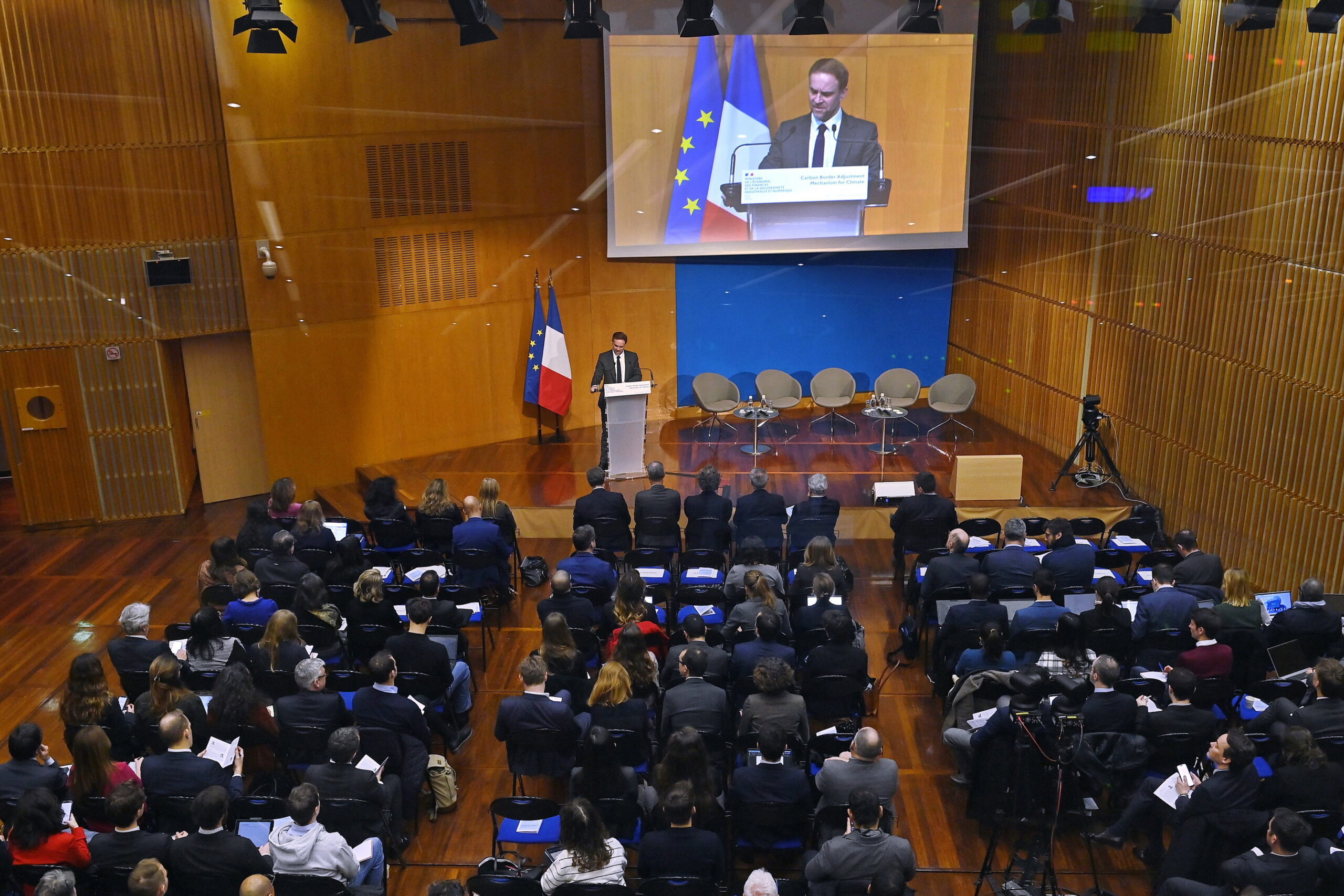
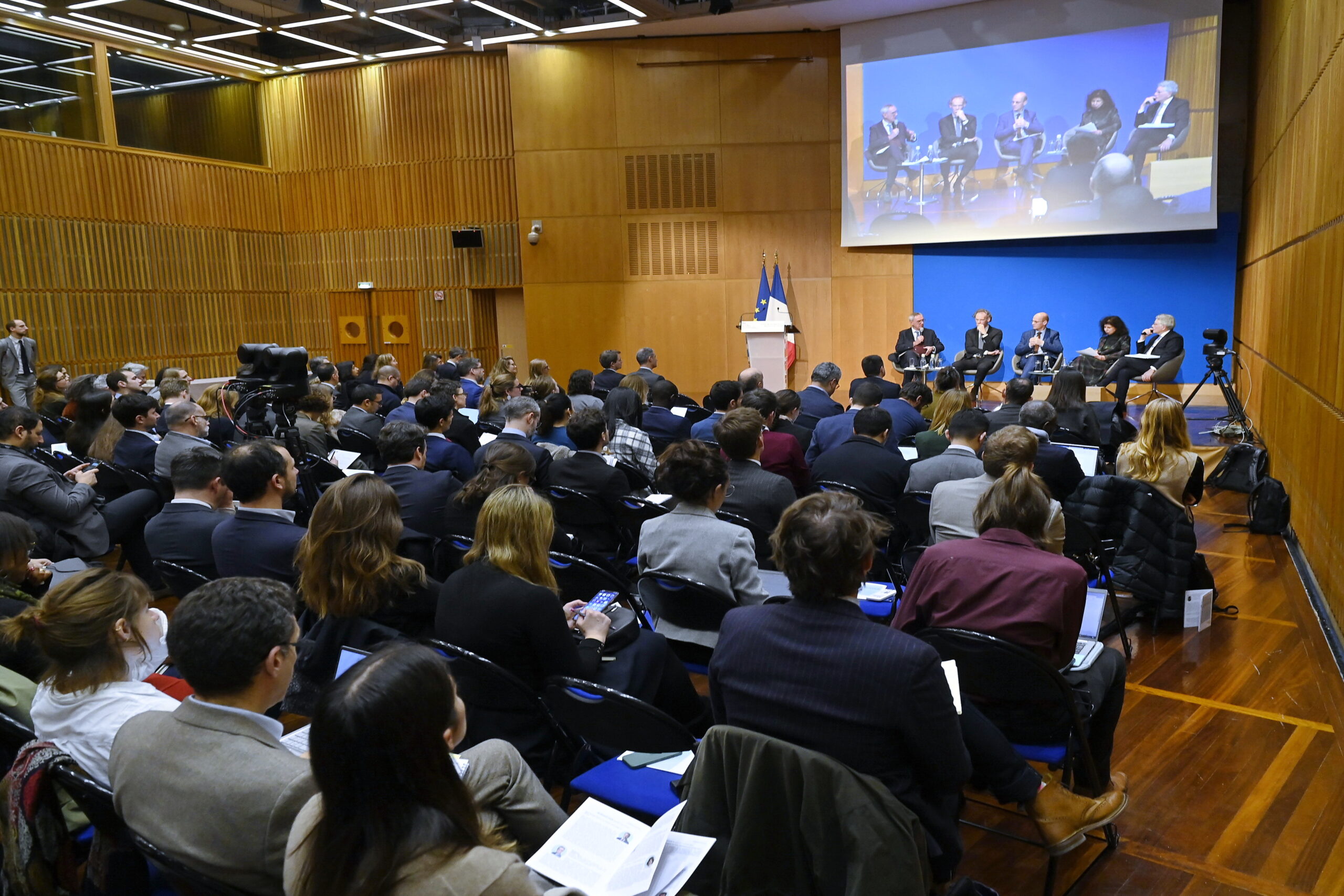
ERCST in action: Andrei Marcu at the French Ministry of Economics and Finance event “Carbon Border Adjustment Mechanism for Climate | Addressing carbon leakage to strengthen global climate action” – Gallery
"Carbon Border Adjustment Mechanism for Climate | Addressing carbon leakage to strengthen global climate action", an high-level event organised by the French Ministry of Economics and Finance - Gallery All credits...ERCST in action: Andrei Marcu will moderate the French Ministry of Economics and Finance event “Carbon Border Adjustment Mechanism for Climate | Addressing carbon leakage to strengthen global climate action”
... Andrei Marcu, Executive Director of ERCST, will moderate "Carbon Border Adjustment Mechanism for Climate | Addressing carbon leakage to strengthen global climate action", an high-level event organised by the...Czechia calls for CBAM changes to cut admin burdens – Carbon Pulse
... Czechia is pushing for a “detailed evaluation” of the EU’s Carbon Border Adjustment Mechanism (CBAM) as part of a review of the legislation due to take place before the...
Declaration: Calling on the EU to direct revenues from the CBAM towards international climate finance
The undersigned urge the European Union (EU) and its institutions to direct revenues from the EU Carbon Border Adjustment Mechanism (CBAM) towards international climate finance to provide funding to developing...
Including products further down the value chain in the EU CBAM
Author(s): Andrei Marcu, Aaron Cosbey, Michael Mehling, Sara Svensson
The Use of CBAM Revenues
Author(s): Andrei Marcu, Aaron Cosbey, Michael Mehling, Alexandra Maratou, Sara Svensson
Review of Carbon Leakage Risks of CBAM Export Goods
Author(s): Andrei Marcu, Michael Mehling, Aaron Cosbey, Sara Svensson
Options and Priorities for the EU-U.S. Global Arrangement on Sustainable Steel and Aluminium
Author(s): Andrei Marcu, Michael Mehling, Aaron Cosbey, Sara Svensson
Methods for Crediting Carbon Prices under the CBAM
Author(s): Andrei Marcu, Michael Mehling, Aaron Cosbey, Sara Svensson
Emissions Reporting under the EU CBAM: The Proposed Implementing Regulation
Author(s): Andrei Marcu, Michael Mehling, Aaron Cosbey, Sara Svensson
CBAM in a Portfolio of Measures for Industrial Decarbonization
Author(s): Andrei Marcu, Elena Bonfiglio
The inclusion of hydrogen in the EU CBAM
Author(s): Andrei Marcu, Michael Mehling, Aaron Cosbey, Olivier Imbault, Antonio Fernandez
CBAM Report: Aligning the Design with Evolving Circumstances
Author(s): Andrei Marcu, Michael Mehling, Aaron Cosbey, Alexandra Maratou, Anita Vollmer
International Cooperation on BCAs
Author(s): Andrei Marcu, Michael Mehling, Aaron Cosbey, Alexandra Maratou, Anita Vollmer
Indirect Emissions in the EU CBAM
Author(s): Andrei Marcu, Michael Mehling, Aaron Cosbey, Alexandra Maratou, Anita Vollmer
Treatment of Exports in the EU CBAM
AUTHOR(S): Andrei Marcu, Michael Mehling, Aaron Cosbey, Alexandra Maratou
Addressing “Crunch Issues” in the EU CBAM: A Review of the ENVI Committee Rapporteur’s Draft Report
10 January, 2022 AUTHOR(S): Andrei Marcu, Michael Mehling, Aaron Cosbey, An assessment of the amendments suggested in ENVI draft report can only occur against the broader context and the...
Addressing Carbon Leakage in the EU: Making CBAM work in a Portfolio of Measures
AUTHOR(S): Andrei Marcu, Michael Mehling, Aaron Cosbey, Alexandra Maratou and Dariusz Dybka
EU CBAM Brief for Policy Makers
AUTHOR(S): Andrei Marcu, Michael Mehling and Aaron Cosbey
ERCST Guide to the EU CBAM
AUTHOR(S): Andrei Marcu, Michael Mehling, Aaron Cosbey and Alexandra Maratou
The EU Carbon Border Adjustment Mechanism (CBAM) – Preliminary Analysis of the EU Commission Proposal
Author(s): Andrei Marcu, Alexandra Maratou, Aaron Cosbey, Michael Mehling
The aluminium value chain and implications for CBAM design
AUTHOR(S): Alexandra Maratou and Andrei Marcu
Update on developments in the international jurisdictions on the Border Carbon Adjustments – part 3
AUTHOR(S): DOMIEN VANGENECHTEN, ANDREI MARCU, JEAN-YVES CANEILL AND THOMAS MERTENS
Preliminary Study on the economic impact that EU CBAM could potentially impose on foreign exporters of products to the EU market – Thailand, India, and Vietnam
AUTHOR(S): DOMIEN VANGENECHTEN, ANDREI MARCU, JEAN-YVES CANEILL AND THOMAS MERTENS
Recommendations on Funding Mechanisms in the Revised EU ETS
AUTHOR(S): DOMIEN VANGENECHTEN, ANDREI MARCU, JEAN-YVES CANEILL AND THOMAS MERTENS
Border Carbon Adjustments in the EU: A Policy Proposal
Authors: Andrei Marcu and Michael Mehling
Ensuring the Acceptability of Border Carbon Adjustments
Authors: Andrei Marcu and Michael Mehling
Border Carbon Adjustments in the EU: Sectoral Deep Dive
Authors: Andrei Marcu, Aaron Cosbey, Michael Mehling
Update on developments in the international jurisdictions on the Border Carbon Adjustments
Author(s): Andrei Marcu, Dariusz Dybka
Summary of stakeholder responses to the public consultation for a border carbon adjustment in the EU
AUTHOR(S): ANDREI MARCU, DARIUSZ DYBKA AND ALEXANDRA MARATOU
Position Paper – ERCST’s rationale for the submission to the Public Consultation for the Border Carbon Adjustment Mechanism under the European Green Deal
AUTHOR(S): ANDREI MARCU, DARIUSZ DYBKA AND ALEXANDRA MARATOU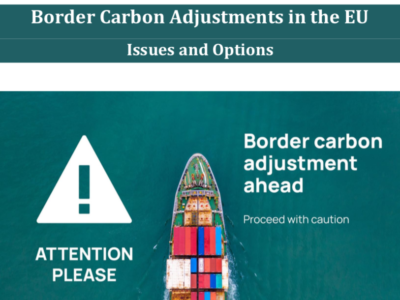
Border Carbon Adjustments in the EU: Issues and Options
AUTHOR(S): ANDREI MARCU, MICHAEL MEHLING AND AARON COSBEY
Reflections on ERCST’s “Creating markets for low-carbon products in the EU” work stream
AUTHOR(S): ANDREI MARCU AND MATTEO CASPANI
Feedback paper – Inception Impact Assessment on the 2030 Climate Target Plan
AUTHOR(S): ANDREI MARCU AND DARIUSZ DYBKA
Feedback paper – Inception Impact Assessment on the Carbon Border Adjustment Mechanism
AUTHOR(S): ANDREI MARCU, DARIUSZ DYBKA AND ERIC WILCZYNSKIRECENT AND UPCOMING EVENTS
Launch Event: Optimization of CBAM De-Minimis Thresholds
October 1 @ 15:00 - 17:00Expert Consultation: State of the EU CBAM
October 12 @ 15:00 - 17:00Launch Event: State of the EU CBAM
December 9 @ 15:00 - 17:00
Launch of the ERCST Guide to the EU CBAM
September 27 @ 13:00 - 15:00Cooperation on Border Carbon Adjustments
October 18 @ 14:00 - 16:00Paper launch: framework for the CBAM policy tools
December 15 @ 14:00 - 16:00Border Carbon Adjustment in the EU: EP draft position
January 12 @ 14:00 - 16:00CBAM Global Townhall 2022
February 22 @ 14:00 - 16:30Border Carbon Adjustment in the EU – CBAM Scope 2 emissions
March 2 @ 15:00 - 17:00Development impact of EU’s CBAM
March 16 @ 15:30 - 17:00